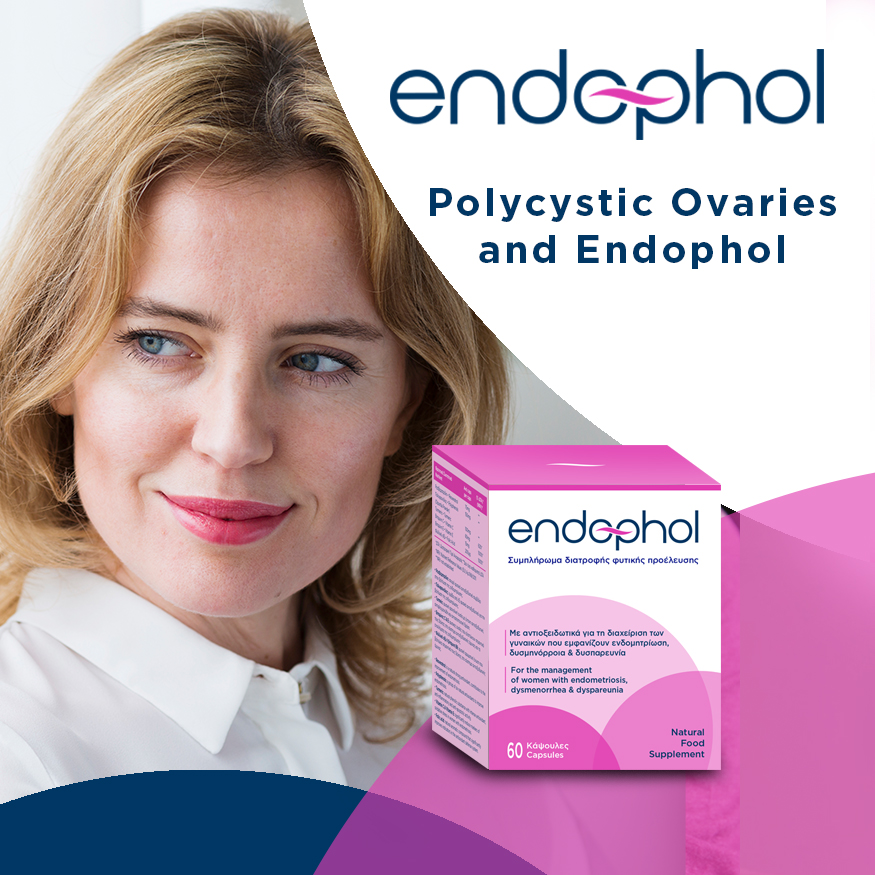
Polycystic Ovaries and Endophol
Numerous studies have shown that oxidative stress, and excess androgens, play an essential role in the onset and development of polycystic ovary syndrome. PCOS can be considered a state of oxidative stress. Specifically, the antioxidant function in the human body cannot cope with excessive reactive oxygen species (ROS) or free radicals.
Treatment of POLYCYSTIC OVARIAN SYNDROME (PCOS)
Various synthetic drugs such as contraceptives, antiandrogens, (aldactone), clomiphene, letrozole, metformin are used, but are associated with various side effects. However, these treatments only temporarily control the symptoms, without a preventive effect.
Polyphenols may be promising alternatives with various pharmacological mechanisms, which could not only reduce the incidence of PCOS, but also promote other protective roles by reducing the adverse effects of PCOS, especially on the metabolic side.
A retrospective study of 916 women with PCOS, of which 445 (49%) received polyphenol and the rest placebo, showed that taking polyphenols is a promising therapeutic solution due to their beneficial effects.