Endometriosis and Endophol
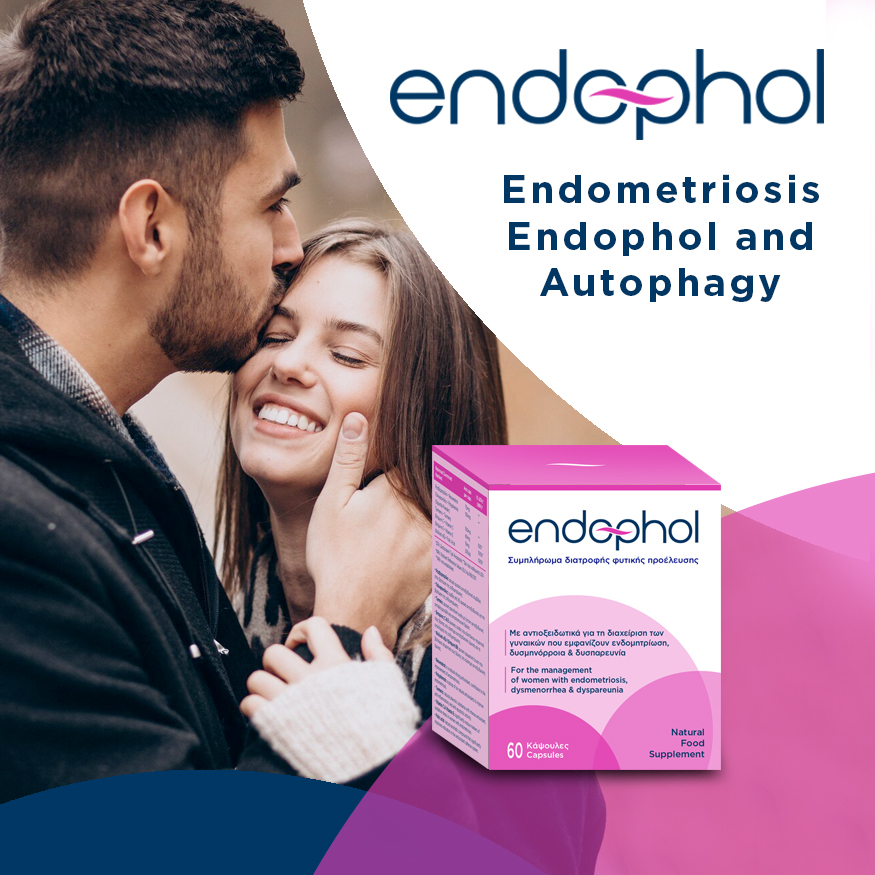
According to the latest data, the causative factor of endometriosis can be considered chronic inflammation caused by increased levels of oxidative stress. Polyphenols are bioactive plant compounds that target the complex pathways of autophagy (cellular recycling), helping to correct the deregulated self-destruction of stray endometrial cells, while at the same time managing chronic pelvic pain and helping to combat endometriosis by reducing oxidative stress.
Endophol. Multi-potent preparation of Polyphenols
Reduces pain until elimination
Reduces the number and size of endometriosis lesions (endometriosis foci, endometriomas), until disappearance, through autophagy, mitophagy and apoptosis, elements that are not available in the currently circulating preparations which relieve pain and symptoms in general, but which return after discontinuation of treatment
The term “autophagy” represents the fundamental cellular process of degradation and recycling of damaged or obsolete cell components. In biology, autophagy is a cellular “recycling” mechanism that cleans up damaged structures and cells. Japanese cell biologist Yoshinori Ohsumi was awarded the 2016 Nobel Prize in Physiology or Medicine for his groundbreaking discoveries regarding the mechanisms of autophagy.
Endophol
Does not have the side effects of hormonal preparations that stop menstruation and can cause osteoporosis. It does not disrupt the hormonal cycle and ovulation. In addition, it improves the quality of eggs, increasing pregnancy rates in natural conception.
The World Health Organization (WHO 2023) states that, at present, there is no known cure for endometriosis and treatment usually aims to control symptoms. Recurrence rates after surgery are quite high and range from 20% to 50% after two to five years respectively.
It would be advisable, that the herbal nutritional supplement Endophol be administeredfor a period of time prior to surgery, in case that symptoms are improved and even pregnancy is achieved. In endometriosis, the natural process of cleaning the lesion (autophagy) is often suppressed. Endometriotic lesions are particularly resistant to apoptosis (programmed cell death). In these ectopic cells, autophagy is often reduced, allowing the lesions to survive, migrate and avoid immune clearance. Polyphenols inhibit this pathway, promote autophagy and cell death (apoptosis) avoiding unwanted lesions, resulting in a reduction in the size of endometriomas (ultrasound monitoring) and the disappearance of peritoneal endometriotic foci. Polyphenols make lesions more sensitive to apoptosis, shrinking the size of the lesion and reducing inflammation markers.